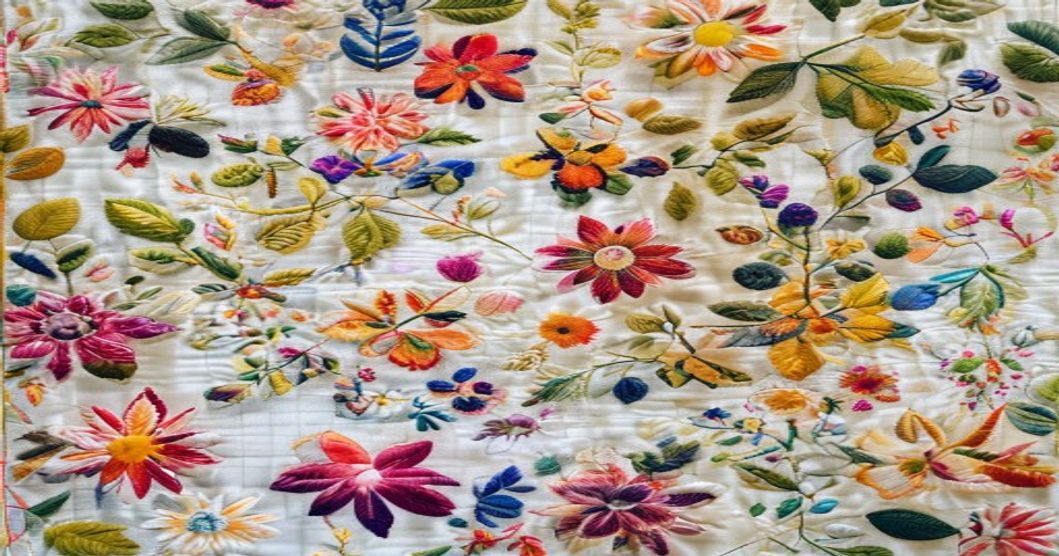
বেবি নকশি কাঁথা
বেবি নকশি কাঁথা —
6 min read · এপ্রিল 21, 2026
```json
{
"excerpt": "Baby nakshi kantha represents a beautiful intersection of traditional craftsmanship and modern parenting needs. Discover how this centuries-old Bengali quilting technique creates heirloom pieces that parents treasure for generations.",
"meta_description": "Baby Nakshi Kantha: Traditional Bengali quilted blankets for infants. Learn about craftsmanship, care, and why parents choose these handmade treasures.",
"body_html": "
Baby Nakshi Kantha: The Heirloom Blanket Your Child Deserves
When you hold a baby nakshi kantha for the first time, you understand immediately why parents have cherished these blankets for centuries. The weight feels substantial but gentle. The stitching catches light in unexpected ways. And there's something almost meditative about tracing the intricate patterns with your fingertips—patterns that someone created by hand, stitch by careful stitch. In a world of mass-manufactured nursery goods, baby nakshi kanthas stand apart. They're not just blankets. They're tangible connections to heritage, practical tools for infant care, and investments in quality that outlast the baby phase by decades. If you're exploring bedding options for your little one, understanding what makes these quilts special—and worth the investment—matters.What Exactly Is a Nakshi Kantha?
Nakshi kantha is a form of embroidered quilting that originated in Bengal, primarily in what is now Bangladesh and West Bengal, India. The name itself translates roughly to \"embroidered quilt,\" though that simple definition doesn't capture the artistry involved. Traditional kanthas are created by layering two pieces of muslin or cotton fabric with padding in between, then hand-stitching them together with running stitches that form elaborate designs. The stitching serves a dual purpose: it holds the layers together structurally and creates the visual narrative that makes each kantha unique. Baby versions follow the same fundamental technique but are tailored to infant dimensions—typically around 36 by 48 inches—with designs and colors chosen specifically for nursery use. Think softer palettes, playful motifs, and durable construction designed to withstand countless washings.The Craftsmanship Behind Each Blanket
Creating a baby nakshi kantha is genuinely time-intensive work. An experienced artisan might spend 40 to 60 hours on a single blanket, depending on design complexity. This isn't automation. This is a person sitting with needle and thread, making thousands of intentional decisions about stitch placement, tension, and pattern flow. The process begins with design selection or creation. Will the kantha feature traditional motifs like flowers and birds? Contemporary patterns? Custom designs reflecting the family's heritage? Once the design is decided, artisans transfer it onto the fabric—traditionally by hand, though some contemporary makers use light-transfer methods. Then comes the actual stitching. The running stitch—the fundamental technique in nakshi kantha—seems simple until you attempt it. Even spacing requires focus. Consistent tension prevents puckering. And maintaining the design's integrity while working across hours and days demands both skill and patience. Contemporary makers often add variations: different thread colors, varied stitch patterns, or mixed media elements alongside traditional technique.Why Parents Actually Choose These Blankets
Beyond aesthetics, practical reasons drive the choice:- Durability that spans generations: A well-maintained baby nakshi kantha survives hundreds of washings and often becomes a keepsake passed to younger siblings, cousins, or the next generation. That's not hyperbole—families genuinely keep these blankets for 20, 30, or more years.
- Natural fiber benefits: Most kanthas use 100% cotton, which breathes better than synthetics, regulates temperature effectively, and becomes softer with washing rather than deteriorating. That matters for safe sleep and comfort.
- Zero chemical concerns: Artisanal makers typically use natural dyes and avoid synthetic finishes. You're not exposing your infant to flame retardants, formaldehyde, or other chemicals common in factory-produced bedding.
- Sensory development: The texture, weight, and visual complexity of a kantha engage developing senses in meaningful ways. Older babies and toddlers find the varied stitching patterns genuinely interesting.
- A story worth telling: Whether you commission a custom kantha or purchase one from an artisan, you're acquiring something with narrative. You can explain the technique, share where it comes from, and discuss the maker's work. That matters.
Navigating Quality and Authenticity
Not all blankets labeled \"kantha\" receive equal care in creation. Factory-produced \"kantha-inspired\" items exist—cheaper alternatives that capture the aesthetic but sacrifice craftsmanship. Here's what distinguishes genuine handmade kanthas: Stitching consistency: Authentic kanthas show visible hand-stitching with natural variation in stitch length and spacing. Machine-stitched pieces look uniform and perfect, which paradoxically signals lower authenticity and often lower quality. Thread quality: Handmade kanthas typically use natural-fiber thread. Check whether the maker specifies cotton or silk thread versus synthetic alternatives. Maker transparency: Reputable artisans discuss their process, materials, and timeline. If a seller can't explain where the kantha comes from or how it's made, that's a red flag. Pricing reality: Genuine handmade baby kanthas cost between $80 and $300 depending on complexity and artisan location. Significantly cheaper options likely compromise on handwork or materials.Caring for Your Kantha Investment
Proper care extends the life of your blanket considerably:- Wash in cool water using gentle detergent. Hot water can fade natural dyes.
- Avoid bleach and fabric softener, which damage fibers and weaken stitching.
- Dry flat when possible, or hang dry to prevent stress on seams.
- Store in a breathable cotton bag, not plastic, which traps moisture.
- Repair small loose threads promptly to prevent larger unraveling.